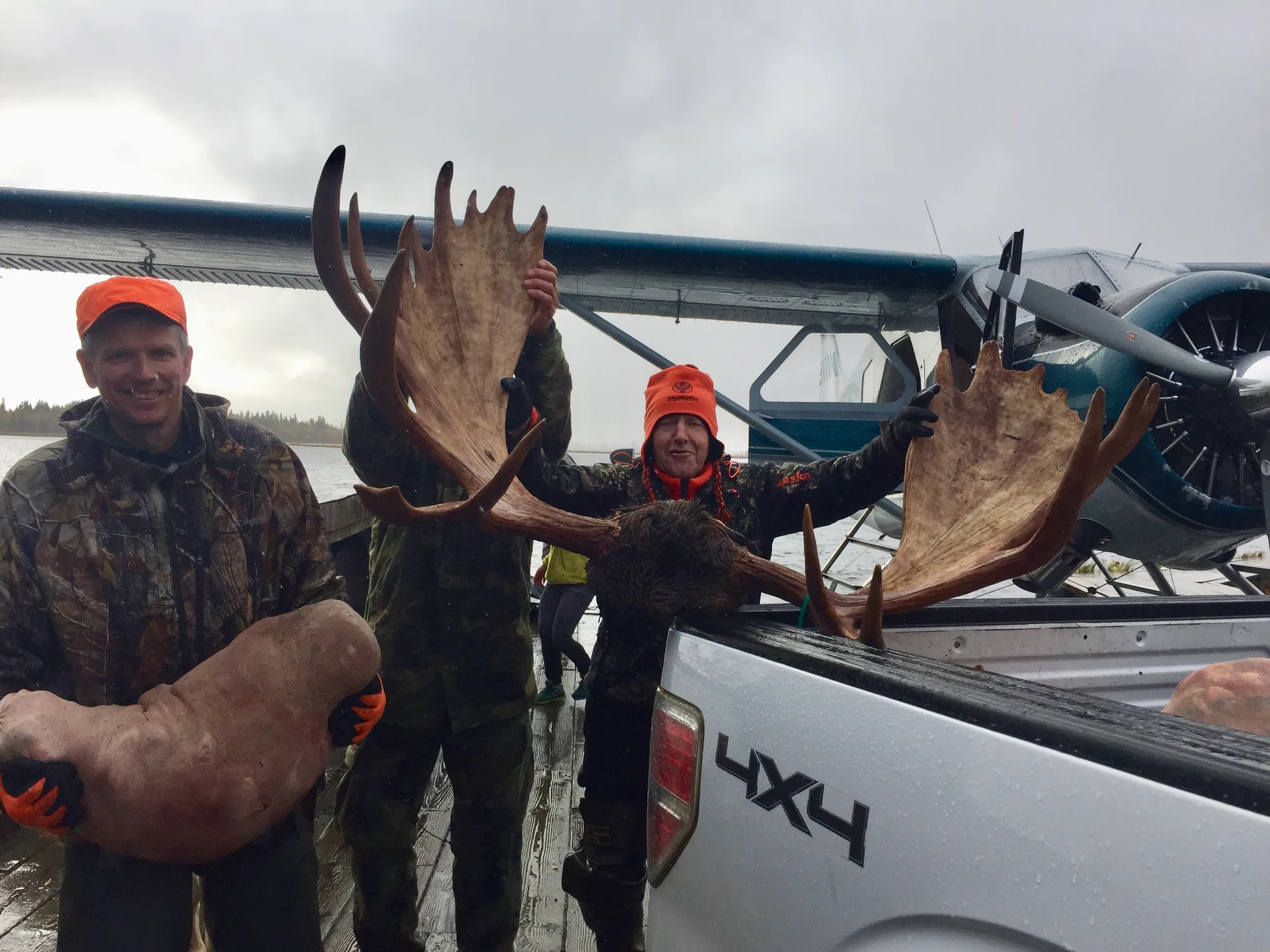
Hunting transportation is simple to describe and easy to get wrong: get you and your gear to where the animal is, then get you, your gear and the animal back out. It's the second half that catches people who didn't do the arithmetic.
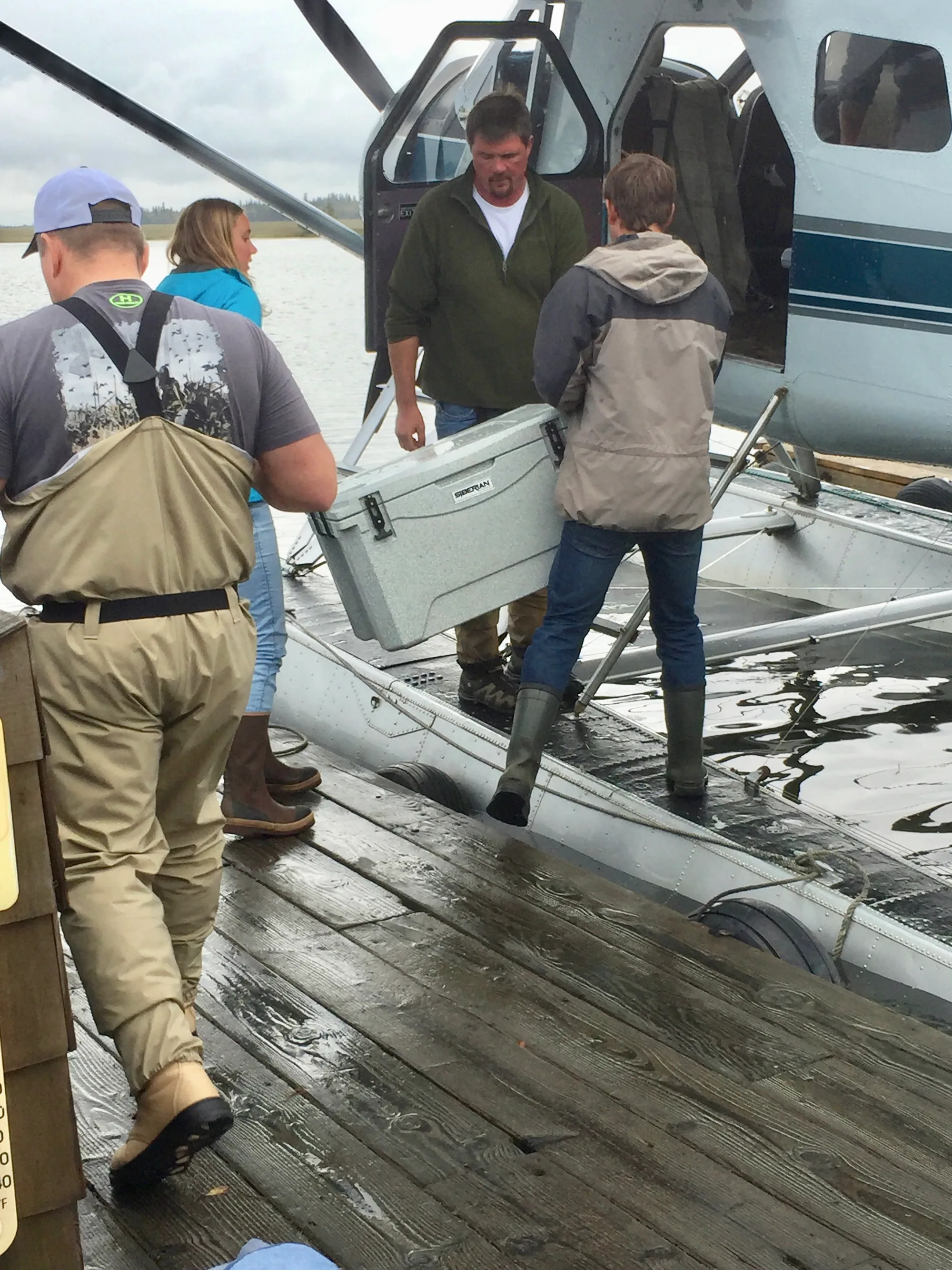
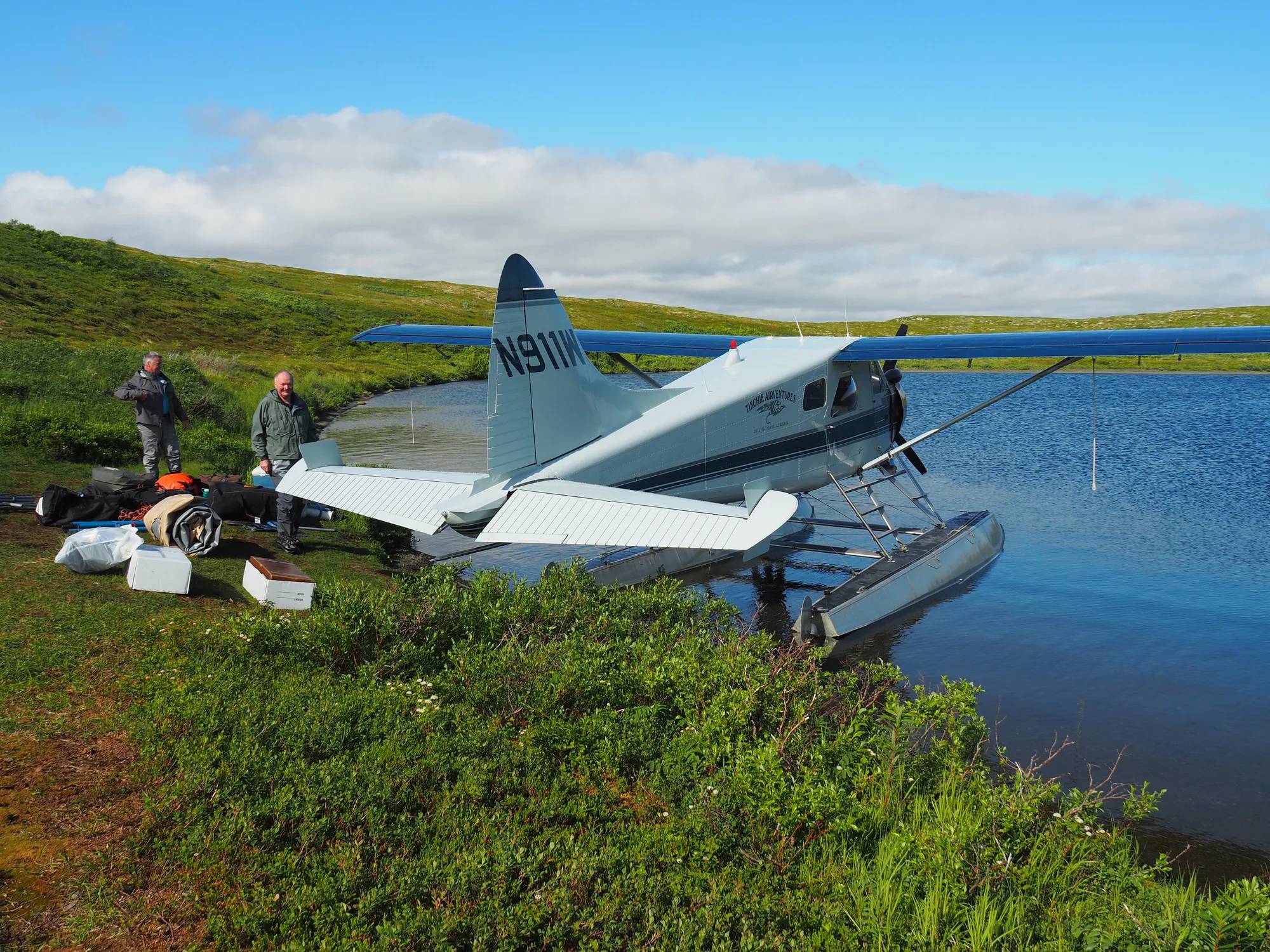
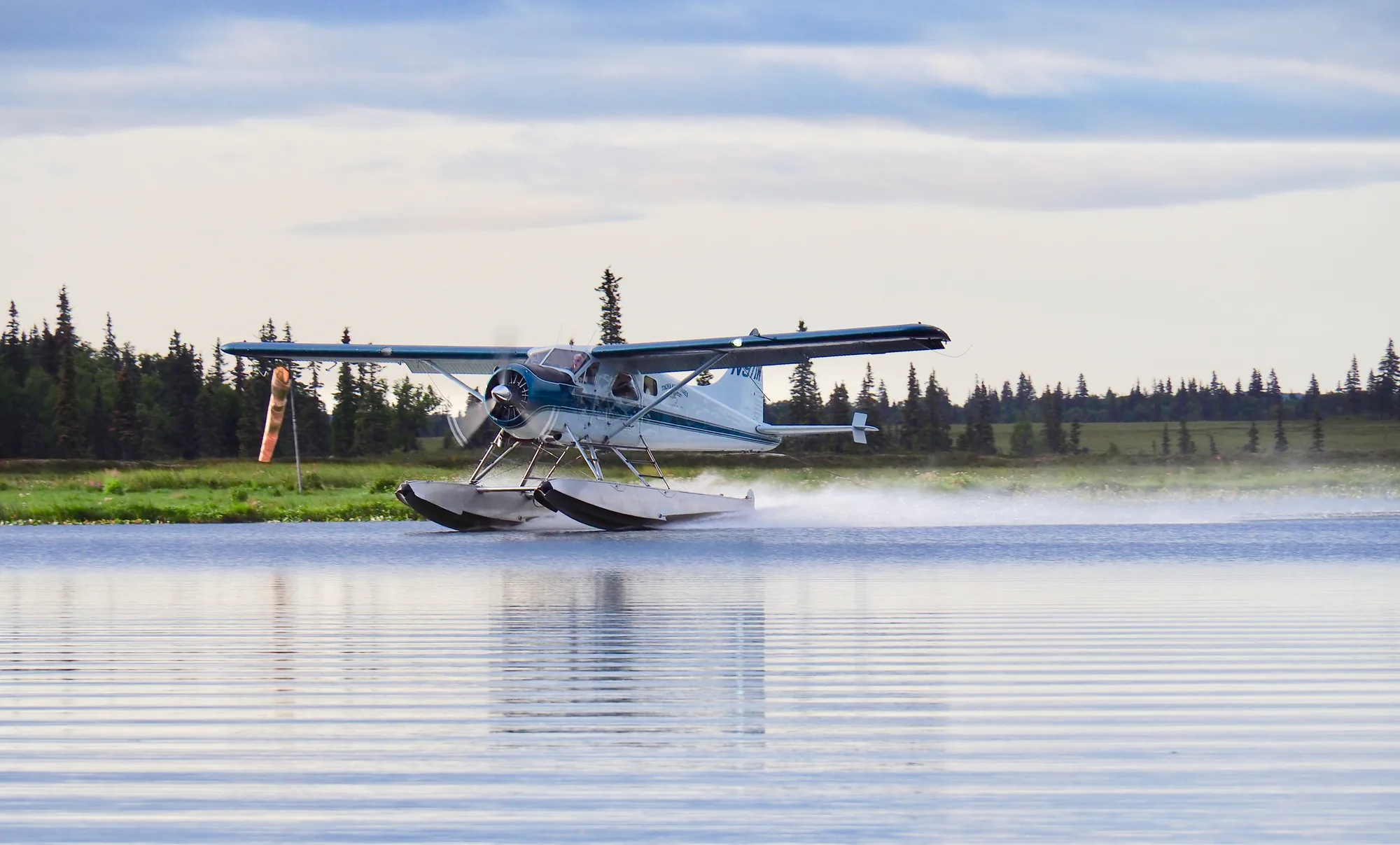
We fly float planes, and every load is capped at 1,200 lbs. There are six passenger seats, but on a hunt it's the weight that runs out first. We've hauled out moose, caribou and bear. Before you book we'll go through the weight with you. That includes the awkward case where a successful hunt turns into two flights.
Doing the meat-haul arithmetic
Plan the return leg before the hunt, not once the animal is down. A boned-out bull moose is commonly put somewhere in the range of 400 to 600+ lbs of meat depending on the animal, and that's before your camp, your gear and your people. A caribou is far more manageable. Either way the question isn't really whether it fits, it's how many loads it is.
Antlers and hide take up space out of all proportion to what they weigh, and they force a second trip more often than the meat does. Tell us in advance if you're keeping a rack.
Rather than work off a table, tell us the unit you're hunting and roughly what your camp weighs. We'll tell you what we've actually seen come out of there, and what a second load would cost if you end up needing one.
Regulations are your responsibility
Alaska's hunting regulations are specific, they vary by Game Management Unit and species, and they change. Non-resident hunters must be guided for brown bear, Dall sheep and mountain goat. Same-day-airborne rules restrict hunting on a day you've flown. Meat salvage requirements are strict and they're enforced.
We're your transportation: we drop you off and we pick you up. Not your guide, and not your regulatory advisor. Read the current Alaska Department of Fish and Game regulations for your unit and species, and handle your own licensing and tags.
How the logistics actually work
We agree a drop point, a pickup point and a pickup window before you fly, and we swap satellite numbers. Tag out early and you let us know; we come when the weather allows. If the weather goes down, you sit tight. And you have the food to sit tight, because you planned for it.
Carry several days of margin past your planned pickup. Every experienced Alaska hunter has been weathered in at some point. It's an inconvenience if you planned for it and an emergency if you didn't.