Skip to content
Wood-Tikchik & beyond

Dropped at the top, floating back at your own pace

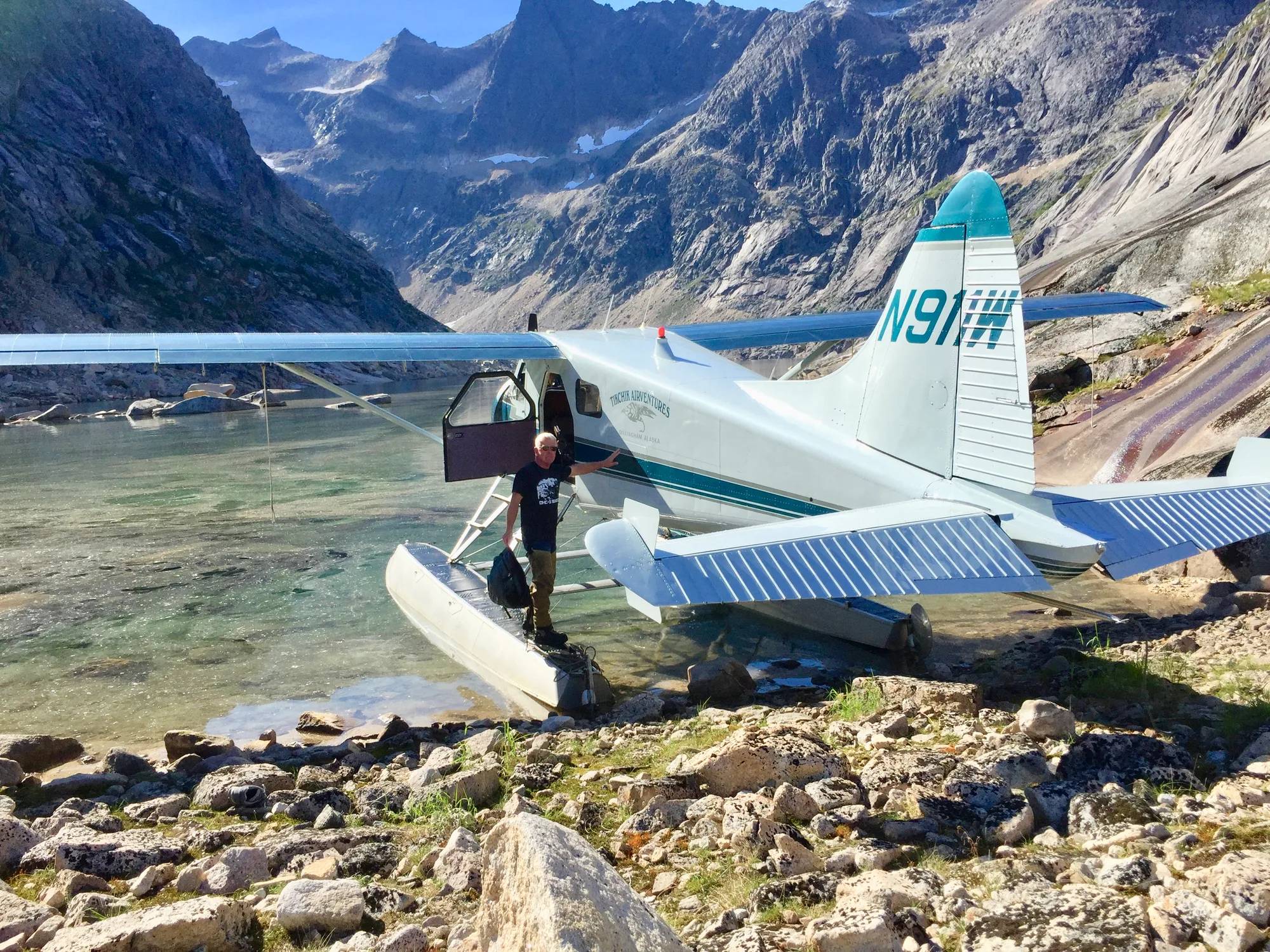
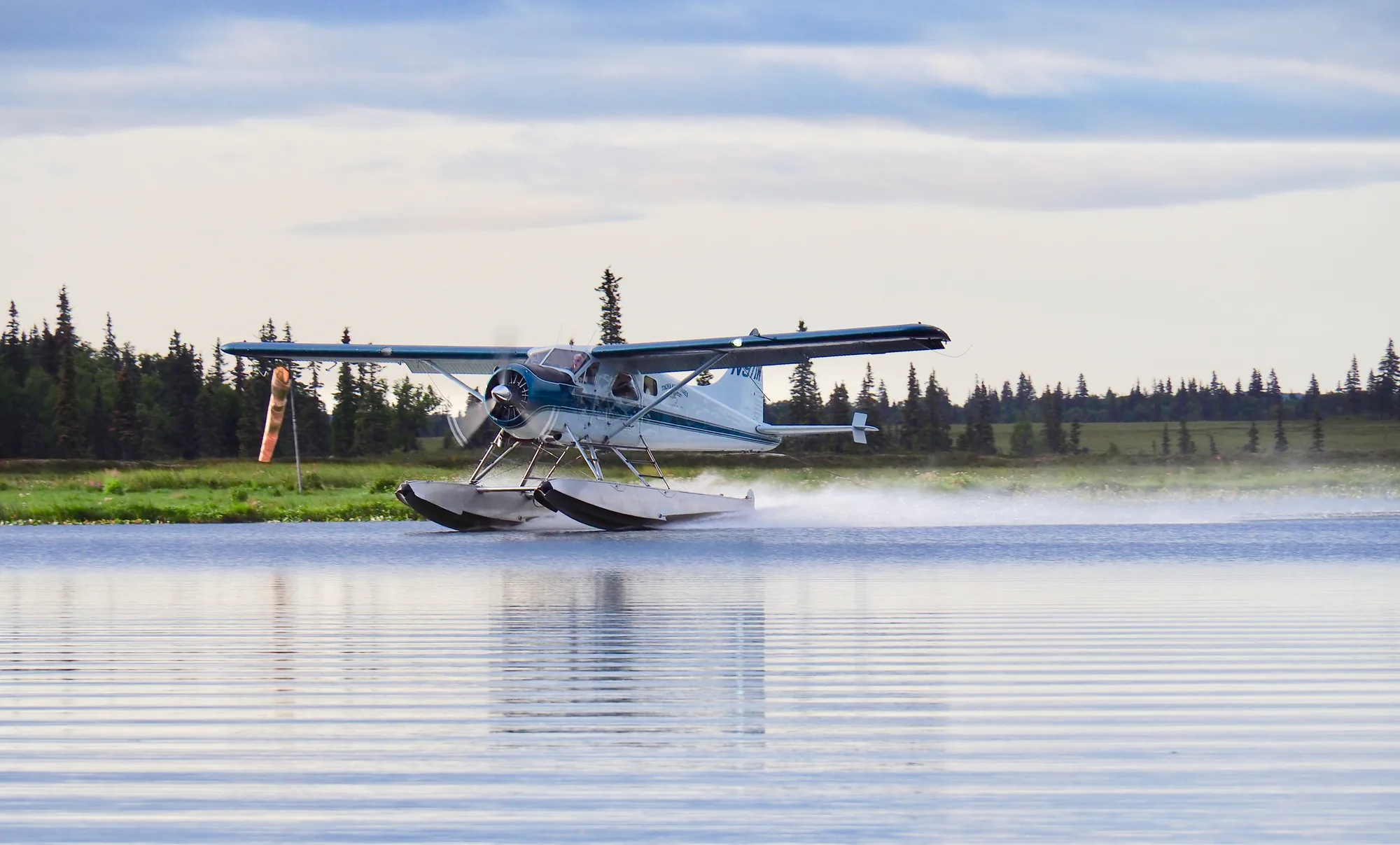
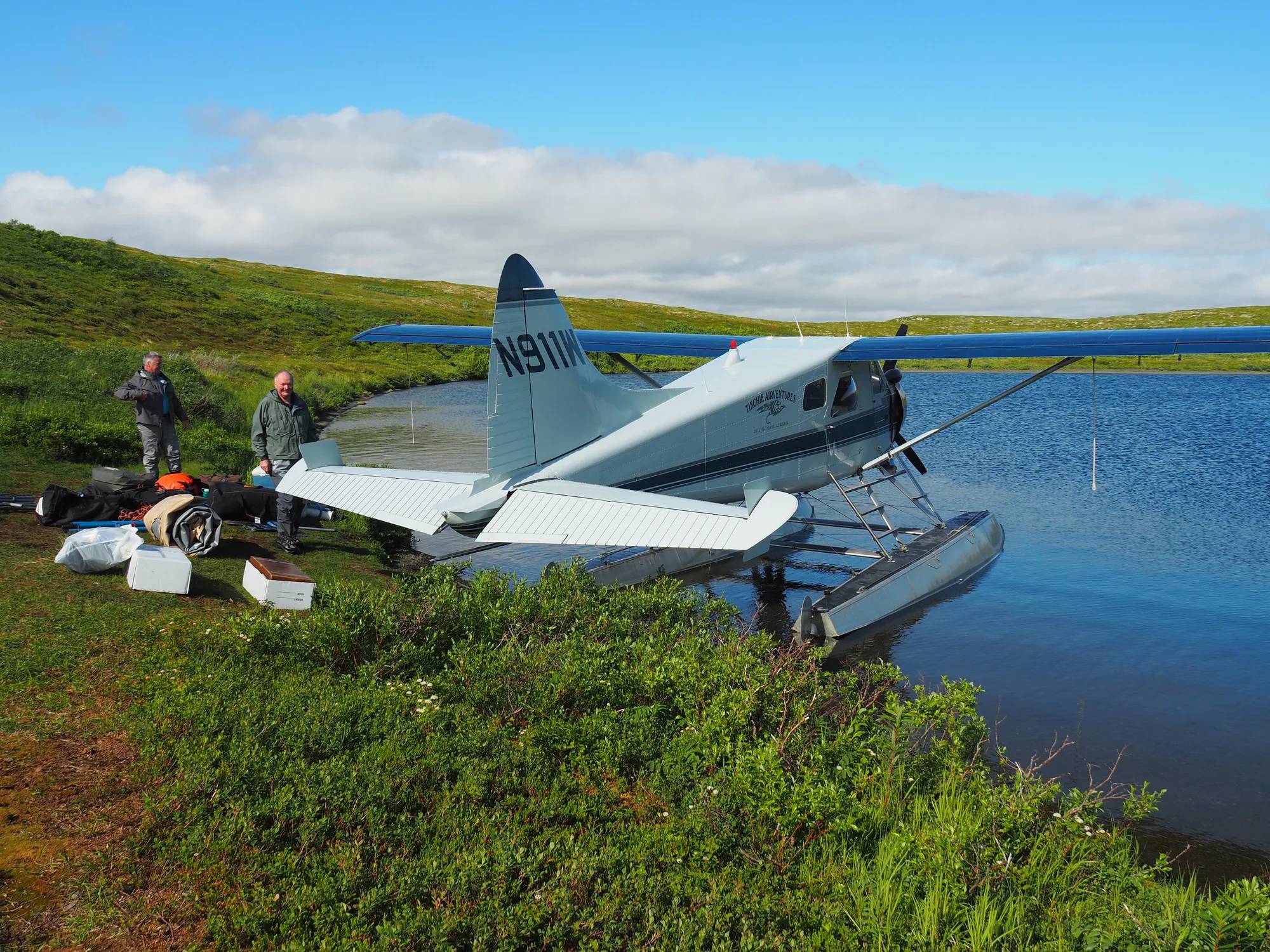
Fly-in raft drop-offs on Bristol Bay rivers, with 14' SOTAR and 15' Saturn rafts to rent so you don't have to ship a boat to Alaska.

  • Flown to the put-in, picked up at the take-out
  • Rental rafts and frames, so no shipping a boat
  • Self-supported, at your own pace, no other parties
  • We help you run the weight math before you commit

A fly-in float is the best value going in Bristol Bay. One flight in, one flight out, and everything between them is yours. No lodge schedule, no boat traffic, no other party around the next bend.

The catch is that a self-supported float is a real expedition. You're carrying your shelter, your food and your safety margin, somewhere with no cell service and no easy way out. We'll be straight with you about whether a particular river suits your experience.

The boats

We rent 14' SOTAR rafts with frames and a 15' Saturn that takes an outboard. Every raft goes out with a repair kit, a pump and PFDs. The SOTARs are dry-bag boats. We don't carry dry boxes for them, so plan your kitchen and your camera gear around soft bags. Rates are on the rentals page.

A raft, frame, oars and the gear that goes with them eat a big chunk of 1,200 lbs. That's not a warning, it's a planning input. It usually decides whether your party goes out in one load or two, and that decides the quote.

Choosing a river

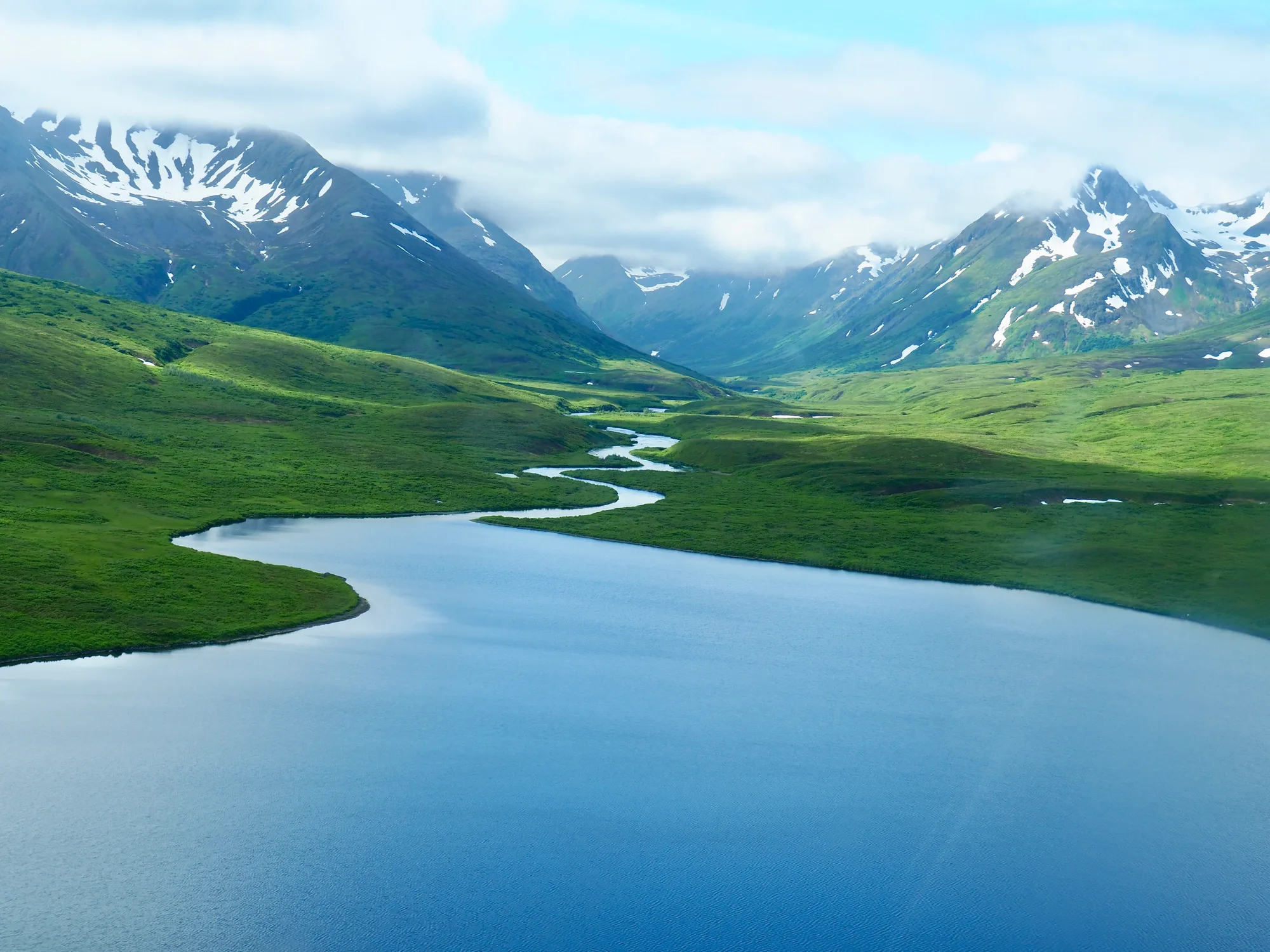
The Wood-Tikchik lake system north of Dillingham is the headline: the largest state park in the United States, a chain of big interconnected lakes joined by rivers, with essentially no development on it. The Nushagak and its tributaries are the other draw, with world-class king salmon water.

The rivers below are the floats we fly most often, with raft rentals available for all of them. Which one suits you comes down to your experience, how many days you have and what the water is doing that year. Tell us your window and what you want out of the trip, and we'll help you pick.

What you need to bring

We supply the repair kit, the pump and the PFDs. Wear the PFD. You bring a shelter that handles wind and sustained rain. A way to treat water. Bear-resistant food storage and a plan for cooking away from where you sleep. And a satellite communicator, an inReach or similar. That one isn't optional out here. Give us the number before you launch.

Assume wet, cold and windy, even in July. Bristol Bay weather doesn't much care what the forecast said at breakfast.
Where we fly floaters

Rivers

Raft rentals are available for every one of these. Tell us which one you have in mind and we'll talk through timing and the load.

Tikchik River

About 50 miles of floating with great fishing and hiking. The upper river has good char, Dolly Varden and grayling fishing, and the lower river is where the rainbows and salmon are. The Tikchik flows into Tikchik Lake, where most people end their trip.

Put-in
Nishlik Lake or Upnuk Lake
Take-out
Tikchik Lake
Length
About 50 miles
Rainbow troutSalmonArctic charDolly VardenGraylingRaft rentals available

Pungokepuk River

A good pick for groups who want a shorter float closer to Dillingham. The Pungokepuk is a tributary of the Togiak River, and salmon run all the way up it to spawn, which brings good rainbow fishing with them.

Commercial use is limited here, so you'll often have nobody else in sight and a rainbow on the line.

Put-in
Pungokepuk Lake
Take-out
Togiak River
Trip length
3 to 4 days
Rainbow troutSalmonRaft rentals available

Ongivinuk River

This float starts high in the mountains and is truly beautiful. You spend most of the trip in open valleys with good hiking and plenty of ptarmigan.

The Ongivinuk starts out small, so depending on recent rain you may have to drag your boat in places. The grayling fishing easily makes up for it. As the river grows on the way down, chum, sockeye and king salmon show up.

Put-in
Ongivinuk Lake
Take-out
Togiak River
Water
Small and shallow up top, depending on rain
GraylingKing salmonSockeyeChumRaft rentals available

Goodnews River

About 55 miles of great fishing and floating, with a choice of two starting lakes. A strong salmon run brings great rainbow and Dolly Varden fishing with it. A good river for a 5 to 7 day trip.

We handle the drop-off and the pickup, which is just upstream of the village. You can also arrange a ride down to the village and fly out on a wheel plane.

Put-in
Goodnews Lake or Kukatlim Lake
Take-out
Just upstream of Goodnews Bay village
Length
About 55 miles, 5 to 7 days
Rainbow troutDolly VardenSalmonRaft rentals available

Arolik River

A great fishing trip, with all five species of salmon plus rainbow trout, Dolly Varden and char.

The Arolik depends on recent rain. The top miles can be shallow enough that you drag the boats, and the bottom of the river can be tidal, so camp high and dry. We pick you up on the lower river, or you can arrange with local villagers for a ride to Quinhagak and fly out on a wheel plane.

Put-in
Arolik Lake
Take-out
Lower Arolik River, or Quinhagak by wheel plane
Water
Shallow up top, tidal at the bottom
All five salmonRainbow troutDolly VardenArctic charRaft rentals available

Kanetok River

Inside the Togiak National Wildlife Refuge, the Kanetok starts high in the mountains at Kegati Lake and runs about 80 miles to the village of Quinhagak. It's well known for its healthy rainbow trout, with great char and Dolly Varden fishing too.

Most floaters arrange a ride from the river into the village and fly out on a wheel plane.

Put-in
Kegati Lake
Take-out
Quinhagak, then out by wheel plane
Length
About 80 miles
Rainbow troutArctic charDolly VardenRaft rentals available
Questions

Common questions

Do the rafts come with dry boxes?
No. The 14' SOTARs are dry-bag boats, so plan a soft-bag kitchen and soft storage for anything that has to stay dry.
How experienced do I need to be?
Enough to run your chosen river self-supported. That means reading water, rigging a boat, repairing it, camping in sustained rain and handling a cold-water swim. If you're not sure, describe your experience honestly and we'll tell you what fits.
What if we finish early or late?
Agree a pickup point and a time window before you launch, and carry a satellite communicator so you can reach us if the plan changes. Weather can move a pickup regardless, so carry two or three days of spare food on any multi-day float.